
First Week Vet Visit: Essential Care For Your New Puppy
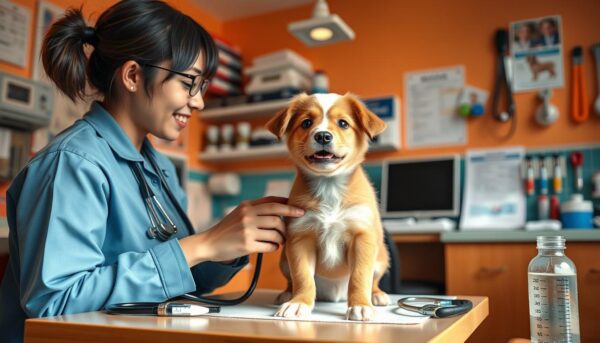
Did you know 87% of puppy owners miss their vet visit in the first week? That statistic highlights why it’s crucial to start a Veterinary-Client-Patient Relationship (VCPR) right away. Whether your new puppy comes from a breeder or from a shelter, scheduling a vet visit in the first week helps protect your puppy’s health and begins preventive care early.
Key Takeaways
- Some breeders include a veterinary examination within three days in their adoption or sale agreements — confirm this with your breeder and get any existing records.
- Shelter or rescue puppies often need an immediate vet exam because their medical history and exposures may be unknown.
- The American Veterinary Medical Association (AVMA) recommends establishing a VCPR so your veterinarian can provide tailored care and treatment plans for your puppy.
- Typical first-visit procedures include weighing, temperature checks, a physical examination, and a discussion about medical history, feeding, and follow-up care.
- Veterinary costs for puppy care vary by region and services provided; ask your clinic for an itemized estimate before the visit.
Make your puppy’s first vet visit a priority — it’s the best way to start a long, healthy life together. For quick scheduling or questions about what to bring, call 502-514-9157 or visit Harmonyviewpuppies.net for more information and appointment options.
Important to Take Puppy to Veterinarian in the First Week
Book your puppy’s first puppy wellness exam as soon as you bring them home — ideally within the first week. Early checks let your veterinarian identify health issues, start preventive care, and build a care plan tailored to your new puppy’s age and needs.
Puppy first-visit timeline (typical)
- 6–8 weeks: first puppy vaccinations, initial deworming, brief physical exam and fecal screening.
- Every 3–4 weeks after that (commonly until ~16 weeks): follow-up visits for boosters, additional deworming, and growth checks.
- If your puppy is older when adopted, many clinics can catch up vaccination series over two or more visits spaced 3–4 weeks apart.
Establishing the Veterinarian-Client Relationship
Finding a trusted veterinarian early gives your pet a consistent care team. Your vet will manage puppy health checkups, schedule deworming, discuss microchipping, and recommend an immunization plan based on your puppy’s lifestyle, region, and any breeder/shelter records.
Health Risks for Young Puppies
Young puppies have weaker immune systems and higher risk of parasites and contagious diseases. Common exposure sources include soil, standing water, and other animals — so avoid high-risk areas until your vet confirms the vaccination timeline and parasite protection.
Scheduling Your First Appointment
Costs vary widely by clinic and location. A basic first exam with initial vaccines and routine tests can range depending on services — ask the clinic for an itemized estimate when you call. Typical items to confirm when booking:
- Available appointment times and approximate length of visit
- What records to bring from a breeder or shelter
- Whether to bring a stool sample for parasite testing
Quick checklist for the appointment: bring your puppy’s medical records (if any), a fresh stool sample if available, the carrier and leash, a list of questions, and a small high-value treat.
Have questions or need to schedule? Call 502-514-9157 or visit Harmonyviewpuppies.net to book your first vet appointment and get region-specific information.
Helpful video resource:
(verify source for clinical guidance).
What to Expect During Your Puppy’s First Veterinary Examination
When you bring your new puppy to their first vet visit, expect a focused, practical exam and a conversation about ongoing care. The goal is to establish a baseline for your puppy’s health, identify any immediate concerns, and create a plan for vaccinations, parasite prevention, nutrition, and behavior support.
The clinic team typically begins with basic measurements and vital signs—weight, temperature, pulse, and respiration—and then performs a head-to-tail physical check. This exam usually includes eyes, ears, nose, mouth and teeth, skin and coat, paws and nails, and a gentle abdominal palpation. The veterinarian will listen to the heart and lungs and feel lymph nodes and major organs for any abnormalities.
Common diagnostics and preventive items your vet may discuss or perform at this visit include a fecal test for parasites (bring a fresh stool sample if possible), deworming if indicated, and the plan for vaccinations and boosters. Your vet will also recommend flea and tick prevention and discuss when to start heartworm prevention based on your puppy’s age and local risk.
First exam checklist (bring these to the appointment):
- Any medical records from the breeder or shelter (vaccination, deworming, microchip info)
- A fresh stool sample in a sealed container (collected within 24 hours)
- Leash and carrier, a small treat, and a list of questions or concerns
Ask these key questions during the exam:
- What vaccines will my puppy need and what is the booster schedule?
- When should I start heartworm prevention and flea/tick protection?
- Does my puppy need immediate deworming or further parasite testing?
- Are there any behavior or socialization steps I should start now?
- When should I schedule the next vet visit?
Practical notes: if your puppy has diarrhea or vomiting, bring a fresh stool sample and inform the staff when you schedule the appointment. If records are missing, the clinic can usually start a baseline vaccine and parasite plan and document your puppy’s veterinary care history going forward.
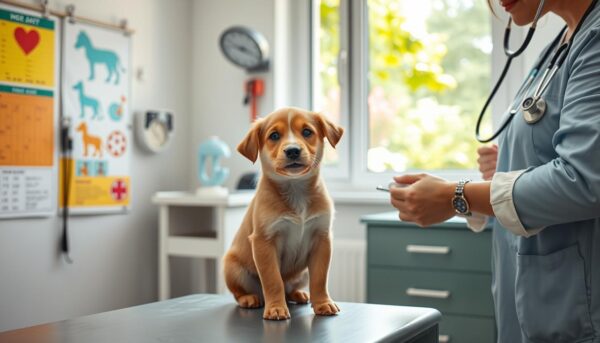
Need help preparing? Call 502-514-9157 or visit Harmonyviewpuppies.net for a printable vet visit checklist and to book your puppy’s first exam.
Conclusion
Raising a puppy is rewarding, but it also brings real responsibilities. Regular vet visits and a relationship with a trusted veterinarian are essential to keep your pet healthy. Find and register with a clinic soon after bringing your puppy home.
At the first visit, the vet will perform a thorough check and discuss key topics like behavior, training, diet, and a preventive care plan that covers vaccination, deworming, and parasite protection. Follow their advice and schedule follow-ups to complete boosters and monitor growth.
Cost expectations vary by location and services. Ask your clinic for an itemized estimate when you book so you can plan. If you notice any signs of illness or have concerns about your puppy, contact your vet promptly — early intervention prevents bigger problems.
Next steps: schedule the appointment, gather any records from the breeder or shelter, bring a fresh stool sample if possible, and set calendar reminders for boosters and parasite prevention. To book now or get more information, call 502-514-9157 or visit Harmonyviewpuppies.net.
FAQ
Why is it important to take my new puppy to the veterinarian in the first week?
What are some health risks for young puppies?
When should I schedule my puppy’s first vet visit and follow-ups?
Vet visit checklist
- Bring any medical records from breeder/shelter
- Bring a fresh stool sample (collected within 24 hours) if possible
- Leash, carrier, and a small treat
- List of questions or concerns (see list below)
Common questions to ask at the first visit
- What vaccines does my puppy need and when are boosters due?
- When should we start heartworm and flea/tick prevention?
- Does my puppy need immediate deworming or further parasite testing?
- What behavior or socialization steps should I begin now?
- When should I schedule the next appointment?
When to call your vet (red flags)
- Persistent vomiting or diarrhea
- Difficulty breathing, collapse, or pale gums
- Refusal to eat for more than 24 hours
- Severe lethargy, uncontrolled bleeding, or obvious injury